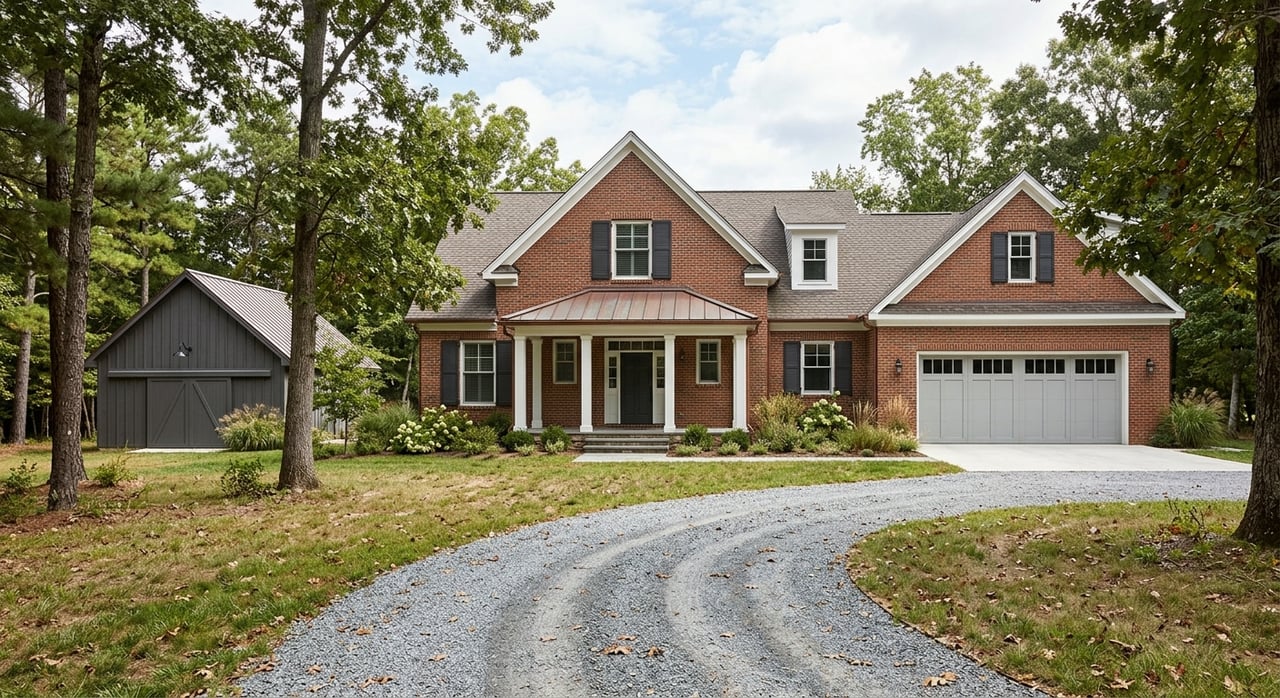
Mini Ranch Living in Anahuac: What Buyers Can Expect
May 14, 2026
May 14, 2026
Wondering if mini-ranch living near Anahuac means quiet sunsets and a few animals in the pasture? It can, but daily life usually looks a lot more hands-on than many buyers first expect. If you are thinking about buying acreage in the 77514 area, it helps to understand the real routine, the local rules, and the weather-related challenges before you fall in love with the idea. Let’s dive in.
A mini-ranch near Anahuac is usually not a low-maintenance property. Texas A&M AgriLife notes that small-acreage owners often have to manage water, fences, forage, grazing patterns, and record keeping on a regular basis. That means your schedule may include fence checks, water checks, brush control, pasture mowing, animal care, and cleanup after storms.
For many buyers, that is part of the appeal. You get privacy, open space, and room to shape the property around your goals. At the same time, the land will expect your attention in a way a neighborhood lot usually does not.
The Anahuac area has a strong outdoor identity, but the local environment has a major effect on how mini-ranch living feels day to day. Chambers County identifies flood hazards as its biggest natural hazard and also flags hurricanes, drought, extreme heat, and utility interruptions as important local risks. In practical terms, that means you may spend more time thinking about drainage, mud, backup plans, and storm prep than you would on a typical homesite.
This is not just about rare emergencies. In this part of Chambers County, weather influences routine maintenance, how you use the land, and how you plan improvements. A property that looks peaceful on a sunny day may still need careful evaluation for flood exposure, access, and long-term resilience.
One reason buyers are drawn to mini-ranches near Anahuac is the connection to the local landscape. The nearby Jocelyn Nungaray National Wildlife Refuge is a major outdoor amenity, with opportunities for wildlife watching, fishing and crabbing in permitted areas, and waterfowl hunting in designated areas and seasons. Trails and viewing areas also make birding and general wildlife viewing part of the area’s identity.
If you want space to enjoy nature while still staying connected to Chambers County, that lifestyle is very real here. The key is understanding that the beauty of the setting comes with land-management responsibilities.
One of the biggest mistakes buyers make is assuming a small tract can support more animals than it actually can. Texas A&M AgriLife warns that overgrazing can reduce desirable plants and increase runoff and erosion. That matters in an area where water management is already a major concern.
AgriLife also notes that stocker calves, meat goats, and hair sheep are often a better fit for smaller tracts. A full cow-calf setup is usually not ideal unless the property is large enough and the owner has meaningful livestock experience. If your goal is hobby-scale country living, matching the animals to the acreage is one of the smartest decisions you can make.
Some buyers assume that owning a few animals automatically means the land qualifies for agricultural use. That is not how it works. AgriLife specifically cautions that one animal kept as a family pet is not enough to establish agricultural use.
That distinction matters because the county looks at how the land actually functions. If you want the property to operate like a mini-ranch, it has to be more than a scenic homesite with a casual animal setup.
In Chambers County, agricultural appraisal depends on local standards, not just personal intent. Current county degree-of-intensity standards list 3 acres for improved pasture, 6 acres per animal unit for native pasture, 6 hives for the first 5 acres of a bee operation, and 20 acres for wildlife management with a plan. The same standards state that horses, mules, and donkeys must be in a breeding program to qualify, and boarding, training, or showing alone do not support an agricultural purpose.
This is one of the biggest reality checks for mini-ranch buyers. If you are picturing horses on the property, that may fit your lifestyle, but it does not automatically mean the use meets county standards for ag valuation.
The county and state also look at use history and documentation. Chambers County’s agricultural appraisal form asks owners to identify livestock, wildlife, crops, and nonagricultural uses. The Texas Comptroller says land generally must be principally devoted to agricultural use at the degree of intensity accepted in the area and usually must have been used for agriculture or timber for at least five of the past seven years.
A future use plan is important, but existing status matters too. If use changes away from agriculture, rollback tax can apply. That is why mini-ranch buyers should treat tax treatment as a due-diligence issue, not an assumption.
Mini-ranch buyers often focus first on acreage size and appearance. In reality, utilities, permits, and site layout can have just as much impact on your quality of life. Chambers County requires permits for residential and commercial development and may require an elevation certificate for projects in flood zones.
If public sewer is not available, on-site sewage facilities are intended for strictly rural settings, and county environmental health handles permitting and inspections. That means septic questions should come early, especially if you are planning a new build, an addition, or a change in how the property is used.
Acreage does not mean you can place structures anywhere you want. Chambers County subdivision regulations set a 50-foot building setback from TxDOT highways and major county roads and a 25-foot setback from other public roads. Those rules can affect where a home, barn, driveway, or other improvements can go.
This can surprise first-time acreage buyers. A tract may look wide open, but the workable building area may be more limited once setbacks, access, drainage, and utility placement are considered together.
Near Anahuac, flood risk should be part of your first conversation, not your last. Chambers County’s hazard mitigation update says flood hazards are the county’s most significant natural hazard. The county also notes the area has experienced minor-to-catastrophic flooding, including Harvey’s near-60-inch rainfall.
That local history matters because mini-ranch properties often include low-lying ground, ditches, open pasture, and long driveways that are directly affected by water flow. A property can still be appealing, but you need a clear picture of how flood risk may affect access, use, and future improvements.
Chambers County’s floodplain ordinance addresses FEMA-based flood hazard areas and specifically covers floodways and coastal high-hazard areas, including Zones V1-V30, VE, and V. The ordinance states that floodways are extremely hazardous and restrict encroachments, fill, new construction, and other development unless strict engineering conditions are met.
For buyers, the takeaway is simple. Before you count on building, expanding, or reshaping the land, you need to know exactly what part of the tract is usable under current local rules.
Mini-ranch living in Chambers County also means thinking ahead during hurricane season. The county says residents should plan to evacuate north rather than east or west, and people in low-lying areas and mobile homes or trailers should leave early when an evacuation is ordered. The county also notes that tropical cyclone impacts have historically occurred every 5 to 7 years.
That does not mean every property is a bad fit. It means storm planning is part of responsible ownership here. If you buy acreage near Anahuac, you should expect preparedness to be part of the lifestyle.
Brush piles and land clearing are common on acreage, but outdoor burning is regulated. Chambers County says outdoor burning falls under TCEQ rules, is generally prohibited except for specific exceptions, and does not require county burn permits, though the county welcomes prior notification for allowed burns. Burn bans still apply.
For owners, this affects how you handle cleanup and maintenance. If your mini-ranch plan includes clearing brush or managing storm debris, you need a disposal plan that fits current local conditions and rules.
The best mini-ranch buyers near Anahuac tend to be the ones who ask detailed, everyday questions. A beautiful tract can still become a constant project if key basics are not in place. Good due diligence helps you separate a manageable property from one that creates ongoing stress.
Here are some of the most useful questions to ask:
Property taxes are another practical part of the decision. Chambers County says homeowners do not pay a fee to file a homestead exemption. The county tax office also states that current taxes are due from October 1 through January 31, with delinquency beginning February 1.
For acreage buyers, this is a reminder to look closely at how the property is currently taxed and what may change after purchase. Tax outcomes are locally assessed and administered, so it is worth reviewing the property’s current setup and your intended use early in the process.
Mini-ranch living near Anahuac can be deeply rewarding if you want space, privacy, and a stronger connection to the land. It can also be more demanding than many buyers expect, especially when flood risk, drainage, livestock planning, septic, and ag-use rules all come into play. If you want clear local guidance as you compare acreage and mini-ranch properties in Chambers County, connect with The Holly Jackson Team for practical, full-service help.

Holly Jackson | Real estate Broker
Holly Jackson is passionate about helping clients navigate every aspect of real estate, from buying and selling homes to commercial and farm & ranch properties. Known for her dedication and personalized approach, Holly thrives on building relationships and guiding clients toward successful transactions. She looks forward to making your real estate journey seamless and rewarding.
The Holly Jackson Team is proud to be your local real estate connection in Southeast Texas. Based in Mont Belvieu, they know the area and its surrounding communities well. The're experienced, hardworking, and extremely proficient in all aspects of the buying or selling process.