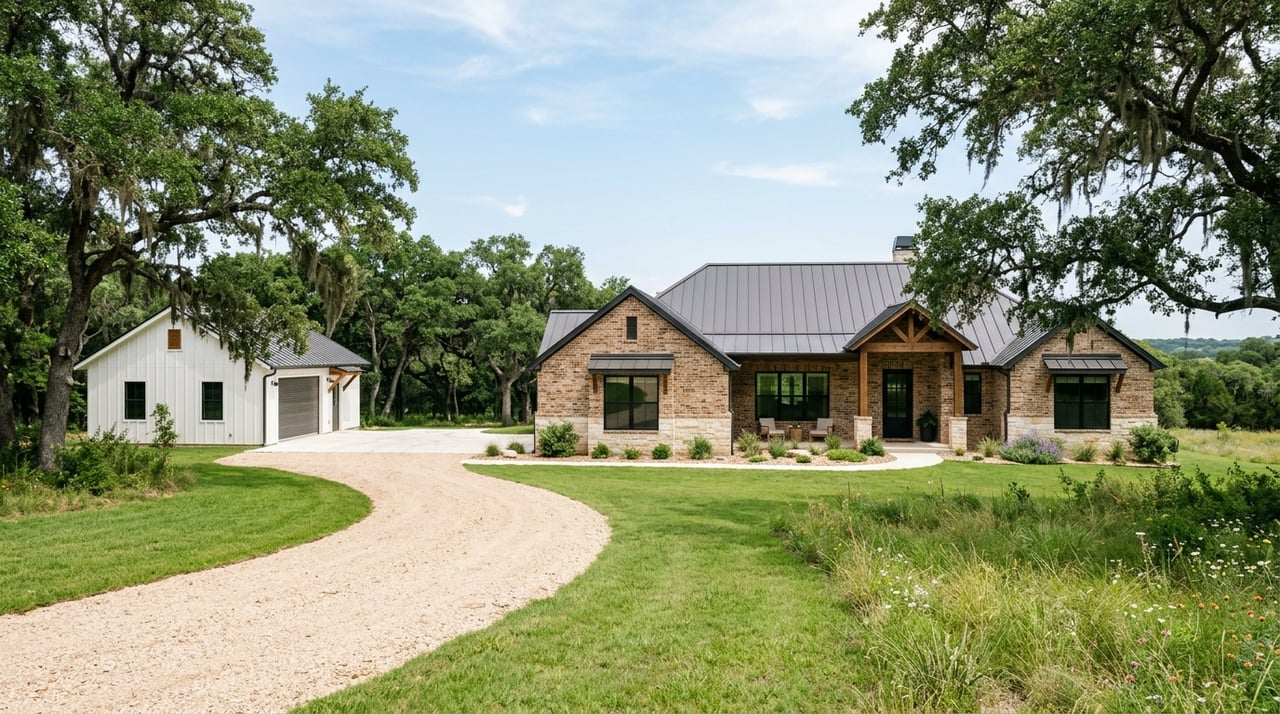
Rural Lifestyle In Chambers County: What Buyers Should Know
June 25, 2026
June 25, 2026
Wondering if rural life in Chambers County is as peaceful as it looks from the road? For many buyers, it can be a great fit, but it also comes with a different set of questions than buying in a typical subdivision. If you are dreaming about more space, more privacy, and a property that feels closer to nature, this guide will help you understand what to check before you buy. Let’s dive in.
Chambers County offers a low-density, coastal-rural setting with plenty of room to spread out. The county has 597.08 square miles of land and about 78 people per square mile, which helps explain why many buyers are drawn here for privacy and open space.
The lifestyle is closely tied to the outdoors. County parks and recreation manages more than 25 public parks and facilities, and the wildlife refuge in the county supports activities like birding, fishing, hunting, hiking, biking, boating, and photography.
You also get a location that is not cut off from larger employment and service areas. County tourism materials describe Chambers County as a gateway between Houston and Galveston Island, which can make it appealing if you want a quieter home base without feeling completely remote.
Rural living in Chambers County often means trading convenience for breathing room. You may have more land, more distance from neighbors, and more flexibility in how you use your property, but you will likely have fewer walkable amenities and longer drives for daily errands.
That does not mean the area lacks services. Communities like Mont Belvieu and Anahuac provide local service hubs, and Mont Belvieu’s official community information notes access to H-E-B, a recreation center, a wave pool, and MB Link gigabit internet.
Commute and connectivity matter too. Census data show that 90.5% of households in Chambers County have a broadband subscription, and the mean travel time to work is 32.6 minutes, which suggests the area can work for many commuters and remote workers. Still, you should confirm internet service at the exact property address before you rely on it for work or school.
One of the biggest differences in a rural purchase is utilities. Chambers County states that almost all utility systems in the county are privately owned and are outside the control or responsibility of city or county government.
That means you should not assume a tract has the same water, sewer, electric, or communications service as the property next door. Rural buyers should verify each service by parcel, especially if the property is outside a city area or in a less developed part of the county.
This step matters whether you are buying a move-in-ready home, vacant land, or a future build site. What is available today can shape both your budget and your plans for the property.
Ask whether the property is served by public water and sewer or by private systems. In rural areas, that answer can vary a lot from one tract to another.
County infrastructure standards say on-site sewage facilities are intended for strictly rural settings where public sewer is unavailable, and those systems must go through county and state review. County environmental health materials also regulate septic systems, so this is not something to leave vague during due diligence.
If a property uses a private well, the homeowner is responsible for it. EPA guidance says private wells should be tested annually, and septic systems need routine care to avoid health and environmental problems.
For buyers, that means rural ownership can be more hands-on than city living. You may gain independence, but you also take on more responsibility for system maintenance and long-term upkeep.
In a rural setting, access is not a small detail. Chambers County Road & Bridge maintains nearly 300 miles of roads and roadside drainage, including patching, grading, graveling, culverts, and ditch or drainage maintenance.
That makes road condition and drainage important parts of your buying decision. You will want to ask who maintains the road, how the property performs during heavy rain, and whether driveway access stays reliable year-round.
A beautiful tract can still be a poor fit if access is difficult or drainage is a recurring issue. In Chambers County, those practical details deserve just as much attention as the home or acreage itself.
Flood risk is one of the most important parts of rural due diligence in Chambers County. The county’s risk assessment says most of the county is coastal plain and functions as a drainage basin for bayous and rivers, so flooding is expected to remain a major long-term risk.
The county’s flood-protection information also states that Chambers County’s Gulf Coast location makes it especially vulnerable to tropical storms, storm surge, and other flood-related events. On top of that, the county historically averages a tropical cyclone impact every 5 to 7 years.
That does not mean every property has the same level of risk. It does mean you should evaluate each parcel carefully rather than relying on general assumptions about the area.
Before you move forward on a rural property, make sure you check:
FEMA’s Flood Map Service Center is the official public source for flood hazard information, and county guidance says floodplain development requires a permit. County permitting materials also note that flood-zone projects may need an elevation certificate during review.
If you plan to add a shop, remodel a home, place new improvements, or develop land, do not assume you can start without county review. Chambers County requires permits for commercial and residential development, including additions and remodeling.
That review can be especially important if a property is in a flood zone. Buyers who are looking at acreage for future plans should make permitting part of the conversation early, not after closing.
This is one area where local guidance matters. Knowing the rules ahead of time can help you avoid surprises and better understand what a property can realistically support.
If you are shopping for a mini-ranch, larger homesite, or land investment, taxes deserve a close look. Chambers County Appraisal District determines market value and administers exemptions and special valuations, while tax rates are set by the taxing authorities.
Because parcels can fall under different local taxing entities, the tax picture is specific to the property. Two tracts that look similar may not have the same tax setup.
Texas Comptroller guidance says qualifying farm, ranch, timber, and wildlife-management land may be appraised on productivity value rather than market value. If land with agricultural appraisal changes to a non-agricultural use, rollback tax can apply for the prior three years.
Special valuation is not automatic just because a property has acreage. Chambers County’s 2025 degree-of-intensity standards show how specific the rules can be.
Examples in those standards include native pasture at 6 acres per animal unit, timber at 20 acres, bees at 5 acres, and wildlife management at 20 acres. If you are buying for lifestyle use, investment, or future plans, you should confirm whether the current use and acreage support the valuation attached to the property.
One of the biggest myths about rural life is that it always means being far from everything. In Chambers County, many buyers can still stay connected to useful service hubs while enjoying a more open setting.
Mont Belvieu offers access to major roads at SH 99 and I-10 and is about 33 miles east of Houston, according to the city’s official community page. Anahuac also provides local municipal infrastructure such as city offices, utility billing, public works, and public notices and events.
For many buyers, the best fit is a property that feels rural but still keeps grocery runs, public services, and commuting routes manageable. That balance often matters more in daily life than the acreage number alone.
Chambers County can be a strong match if you want privacy, outdoor space, and a setting shaped by nature and small-town communities. It may be especially appealing if you value land, recreation, and a quieter pace while still wanting access to places like Mont Belvieu, Anahuac, Houston, or Galveston Island.
The tradeoff is that rural property usually requires more research up front. Utilities, flood risk, septic or well systems, access, drainage, permits, and tax treatment all need to be confirmed on the specific tract you plan to buy.
If you like the idea of open space and are ready to ask practical questions, Chambers County may offer the kind of lifestyle you have been looking for. When you go in with clear expectations, you can choose a property that fits both your goals and your day-to-day life.
If you are thinking about buying acreage, a mini-ranch, or a rural home in Chambers County, working with a local team can help you sort through the details that matter most. Connect with The Holly Jackson Team to start your search with guidance that is grounded in the local market.

Holly Jackson | Real estate Broker
Holly Jackson is passionate about helping clients navigate every aspect of real estate, from buying and selling homes to commercial and farm & ranch properties. Known for her dedication and personalized approach, Holly thrives on building relationships and guiding clients toward successful transactions. She looks forward to making your real estate journey seamless and rewarding.
The Holly Jackson Team is proud to be your local real estate connection in Southeast Texas. Based in Mont Belvieu, they know the area and its surrounding communities well. The're experienced, hardworking, and extremely proficient in all aspects of the buying or selling process.