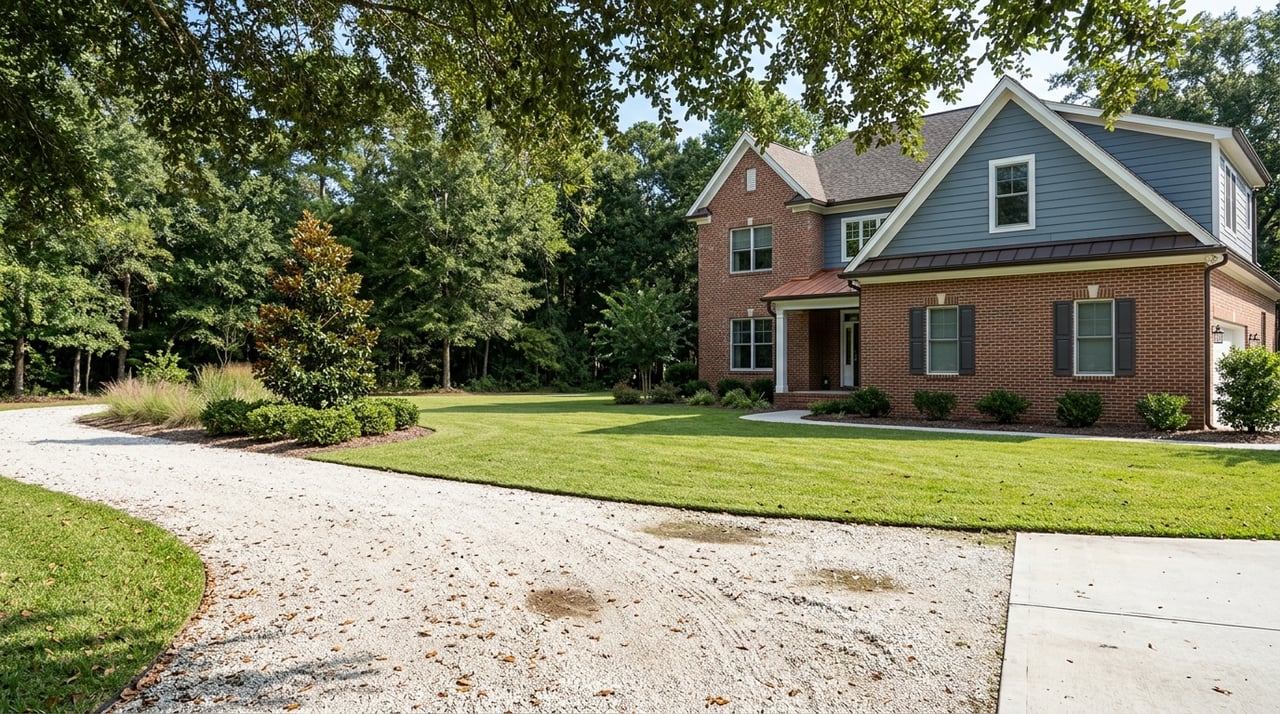
How To Sell Acreage Property In Chambers County
July 2, 2026
July 2, 2026
Selling acreage in Chambers County is not the same as selling a typical house lot. Buyers usually look past the total number of acres and focus on what the land can actually support, from access and drainage to floodplain status, septic feasibility, and possible use restrictions. If you want a smoother sale and stronger offers, you need to answer those questions early. Let’s dive in.
Acreage in Chambers County comes with a very specific set of local concerns. Because the county sits along the Gulf Coast, flood risk can play a major role in how buyers view a property and what they may be able to build on it.
County floodplain rules require a permit for any development in the floodplain. The county also states that new construction and substantially improved structures must be at least 24 inches above base flood elevation under its 2025 rules. For sellers, that means floodplain details are not a side note. They are part of the core value conversation.
Subdivision and land development rules also shape how acreage is marketed and priced. In unincorporated areas, Chambers County regulations apply, and some tracts may also fall within a city’s ETJ, which can bring in additional municipal rules.
That matters because buyers are often asking a practical question: What can I do with this land? In Chambers County, the answer depends on more than acreage size alone.
The best acreage listings are built on solid information. When you can hand buyers a clean due diligence package up front, you reduce uncertainty and help them move forward with more confidence.
Your first step should be confirming ownership, the recorded deed, and the legal description. Chambers County deed records are maintained by the County Clerk, and the county notes that its online deed portal is not the official repository and may not show complete or unaltered contents.
That is why it is smart to verify the recorded deed early. If the legal description is outdated or unclear, it can slow down negotiations and create problems later in the transaction.
For acreage property, a current survey is one of the most important items you can provide. It helps confirm boundaries, frontage, access points, easements, and possible encroachments.
This is especially important because title review in Texas can uncover issues such as unrecorded easements, no right of access, and undisclosed restrictive covenants. A survey helps buyers and title professionals compare what is on paper with what exists on the ground.
You should also gather current tax and appraisal information before listing. The Chambers County Appraisal District determines property values and exemptions, while taxing entities set tax rates.
If your land has agricultural, timber, or wildlife-management appraisal, that status can affect how buyers view the property. It may also influence negotiations if a buyer plans to change the use after closing.
Acreage sellers in Chambers County should pay close attention to agricultural appraisal. Land that qualifies for special appraisal may be taxed based on productivity value rather than market value, which can be a meaningful benefit.
But if the use changes to non-agricultural use, rollback taxes may apply. According to the Texas Comptroller, a change in use can trigger rollback tax for the previous three years, and interest may also be due for certain qualifying land categories.
This does not mean your property is harder to sell. It does mean you should understand the current tax status before advertising the tract for homesites, subdivision, or other non-agricultural purposes.
Floodplain status is one of the biggest acreage questions in Chambers County. Buyers want to know whether the land is in a floodplain, whether development permits are required, and what building standards may apply.
Chambers County provides flood map resources and uses FEMA flood maps to regulate development in floodplains. The county also states that all development in the floodplain requires a permit, and some projects may require elevation certificates during the permit process.
If you can provide flood information up front, you make your listing more credible and easier to evaluate. Buyers are much more comfortable when they know what they are looking at before they spend money on inspections, planning, or engineering.
Many acreage buyers start with one simple question: Does the property have legal and usable access? If the answer is unclear, the sale can become much harder.
Texas title guidance identifies no right of access and unrecorded easements as common title issues to check. In Chambers County, access questions can become even more important when a buyer plans to build, divide, or improve the tract.
For subdivision lots connecting to public or private roads, county rules require a roadway right-of-way permit, approval of culvert size and grade by the County Road & Bridge Department, and compliance with spacing requirements. Even if you are not subdividing before sale, these rules help shape how a buyer will evaluate the property’s future use.
If public sewer is not available, buyers will likely ask about septic feasibility early. For acreage property, that can be a major issue because a future home or improvement may depend on whether an on-site sewage facility can be permitted.
The Texas Commission on Environmental Quality states that OSSFs must be designed from a site evaluation, and most systems require a permit before construction or alteration. In Chambers County, the Environmental Health and Permitting Department handles OSSF permitting and inspection.
If you already have septic-related documentation, keep it ready. If not, be prepared for buyers to investigate this during their due diligence period.
Some sellers assume they should split acreage before putting it on the market. Sometimes that works, but in Chambers County, subdivision can add time, cost, and approval requirements.
County regulations apply in unincorporated areas, and they state that lots or conveyance of property within the area of an unrecorded plat may not be made until required improvements for access, utilities, and drainage are complete enough that the land has full public services directly available to it.
That is a major point for sellers to understand. If you plan to carve off lots before selling, the county may require much more than just drawing lines on a map.
If you want to subdivide before sale, the county may require materials such as:
The county also encourages early coordination through a Development Review Committee meeting. That early review can help identify issues tied to subdivision rules, drainage criteria, fire code, and environmental health requirements.
When acreage sits on the market, it is often because the listing talks in broad terms but does not answer practical buyer questions. In Chambers County, strong marketing should focus on documented use potential, not just acreage size or scenery.
A buyer looking for a homesite may care most about buildability, drainage, access, floodplain status, and septic options. A buyer interested in agricultural or lifestyle use may focus on access, water, drainage, and whether current ag use can continue.
A developer or investor may zero in on plat feasibility, road requirements, utility planning, drainage standards, and ETJ concerns. When you understand which buyer type your land fits best, your pricing and marketing become much sharper.
The strongest acreage listing package is usually the one that answers the hard questions before they become objections. That gives buyers less room to assume the worst.
A solid package for Chambers County acreage often includes:
This approach helps buyers review the same types of records local agencies use when evaluating ownership, flood risk, use, and development feasibility. It also shows that you are serious, organized, and transparent.
Acreage pricing can be tricky because not every acre carries the same value. A tract with clear access, usable drainage, documented flood information, and stronger development or homesite potential may command a different price than a tract with unresolved limitations.
Texas market-value rules assume both parties know the property’s uses and enforceable restrictions. That is one reason due diligence matters so much in acreage negotiations. If your property has strengths, document them. If it has limitations, understand them so you can price and negotiate realistically.
Selling acreage in Chambers County takes more than putting a sign in the ground. You need a plan that reflects local floodplain rules, permitting realities, access questions, tax considerations, and the type of buyer most likely to see value in your land.
That is where local knowledge can make a real difference. When your listing strategy starts with accurate documentation and a clear understanding of how buyers will evaluate the tract, you put yourself in a much stronger position from day one.
If you are thinking about selling acreage, mini-ranch property, or development land in Chambers County, The Holly Jackson Team can help you prepare, position, and market your property with a local, full-service approach.

Holly Jackson | Real estate Broker
Holly Jackson is passionate about helping clients navigate every aspect of real estate, from buying and selling homes to commercial and farm & ranch properties. Known for her dedication and personalized approach, Holly thrives on building relationships and guiding clients toward successful transactions. She looks forward to making your real estate journey seamless and rewarding.
The Holly Jackson Team is proud to be your local real estate connection in Southeast Texas. Based in Mont Belvieu, they know the area and its surrounding communities well. The're experienced, hardworking, and extremely proficient in all aspects of the buying or selling process.